
How to Take the Stress Out of Homework: 7 Practical Tips from a Teacher and Mum
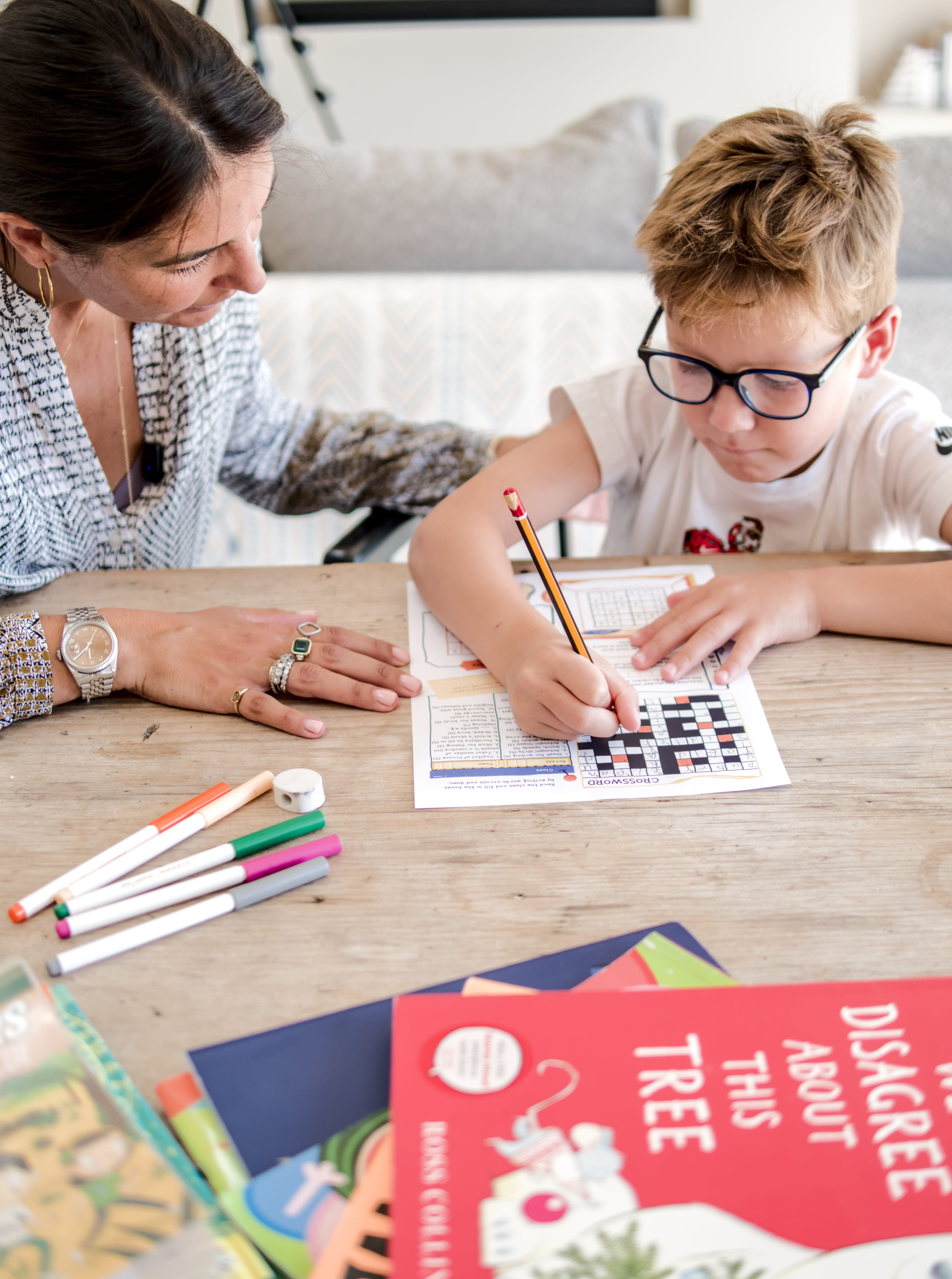
Homework can be one of the most frustrating parts of family life. Everyone's tired after a long day, there are dinners to make, activities to get to and, quite often, a child who would rather be doing absolutely anything else.
As both a teacher and a mum of three, I know how easily something that should take twenty minutes can turn into an hour of negotiations and mounting frustration. While I believe children benefit from revisiting and practising what they've learned, homework shouldn't become a daily battle.
Over the years, both in the classroom and at home, I've found that a few simple changes can make a big difference. Here are seven practical ways to make homework calmer, more manageable and, importantly, help children become increasingly independent.
1. Have a dedicated homework space
You don't need a separate study or a beautifully organised desk. A particular spot at the kitchen table is absolutely fine, provided it's somewhere your child can concentrate and find what they need.
Consistency matters. When children know where homework happens, it becomes part of a familiar routine rather than something to negotiate every evening. Keep pencils, a rubber, a ruler and other essentials nearby, and try to minimise distractions. Every trip to find a missing sharpener is another opportunity to lose focus!
2. Take five minutes to prepare beforehand
If possible, look over the homework before sitting down together. Read the instructions, check what's needed and think about which parts your child might find difficult.
This is particularly useful with maths, where the methods children learn may be different from those we remember. If you're unsure, check the school's guidance rather than introducing a completely different approach.
You don't need to prepare an entire lesson, but a little preparation can help you feel calmer and more confident, which often makes the experience easier for your child too.
3. Give them your full attention, even if only briefly
Where possible, try to spend a little uninterrupted time with your child while they're getting started. I know this isn't always easy when you have several children and a hundred other things to do, but five or ten minutes of focused, one-to-one attention can be more useful than half an hour of distracted help.
Sit beside them, look at the task together and make sure they understand what's expected. Sometimes children resist starting simply because they don't know where to begin.
The aim, though, isn't to sit beside them for the entire task. That initial support should help them become confident enough to continue independently.
4. Use 'I do, we do, you do' to build independence
This is one of my favourite teaching approaches, and it works just as well at the kitchen table as in the classroom. Often called gradual release of responsibility, it involves providing support initially, then gradually stepping back as children become more confident.
I do: Model an example if your child needs one, talking through your thinking and explaining why you're taking each step.
We do: Try the next example together, asking questions and encouraging your child to take more responsibility.
You do: Once they're ready, let them try independently.
And sometimes, the best thing you can do at this point is simply get up and make yourself a cup of tea.
I mean that quite literally. Once your child understands the task, give them a little space rather than hovering over every answer. Let them experience working something out for themselves, knowing you're nearby if they need help.
Of course, if they already understand the task, there's no need to model it first. The aim is to provide just enough support, not more than they need.
5. Set a timer and make the finish line visible
A task that looks straightforward to us can feel enormous to a tired eight-year-old, particularly when they don't know how long it's going to take.
Try agreeing to concentrate for ten or fifteen minutes before taking a short break or checking progress. A visual timer can be particularly helpful because children can see the time passing.
The timer shouldn't become another source of pressure, though. It's there to provide structure, not turn homework into a race. And if homework regularly takes much longer than the school suggests, it's worth speaking to their teacher.
6. Choose the right moment
Some children prefer to get homework done immediately after school, while others need a snack, some fresh air or time to unwind before they're ready to concentrate again.
Find a time that works for your family and try to make it predictable. A consistent routine reduces the amount of discussion about when homework will happen, although it's worth allowing some flexibility after particularly tiring days.
I'd also avoid leaving tricky spellings or maths questions until just before bedtime, when everyone's patience is running low!
7. Focus on the process, not just correct answers
Homework can easily become about getting everything finished and making sure every answer is right. But some of the most valuable learning happens when children have to stop, think, remember something they've learned previously or recognise that their first attempt hasn't worked.
Rather than immediately correcting a mistake, try asking, “Can you check that one again?” or “Does that answer make sense?”
And when something goes well, be specific about what you're praising. Perhaps they remembered a method, kept trying when something was difficult or completed a question independently.
Remember, too, that homework provides useful feedback for teachers. If your child genuinely cannot complete something without substantial adult help, it's better for their teacher to know.
Helping children become independent learners
Ultimately, homework should help children consolidate what they've learned and gradually become more confident working independently. That doesn't mean parents should never help, but as children's knowledge and confidence grow, we should look for opportunities to step back.
It's something I think about a great deal with Friday Brain Building Club. Our weekly Brain Building Sheets are deliberately designed to feel different from homework, but they share an important principle: children benefit from regular opportunities to revisit knowledge, practise skills and think for themselves.
Whether they're tackling a crossword, spotting a number pattern or puzzling over a logic challenge, I want children to experience that lovely moment when something clicks and they realise they've worked it out independently.
Because perhaps the most useful thing we can do as parents isn't to make sure our children always know the answer, but to help them become confident enough to have a go.
A little learning, without the homework battle
Friday Brain Building Club delivers a fresh, screen-free activity sheet every Friday for children aged 7–11, packed with vocabulary, numeracy, verbal reasoning, logic and problem-solving challenges designed to make thinking enjoyable.
Try Friday Brain Building Club free for 30 days, then £4.99 per month. Cancel anytime.